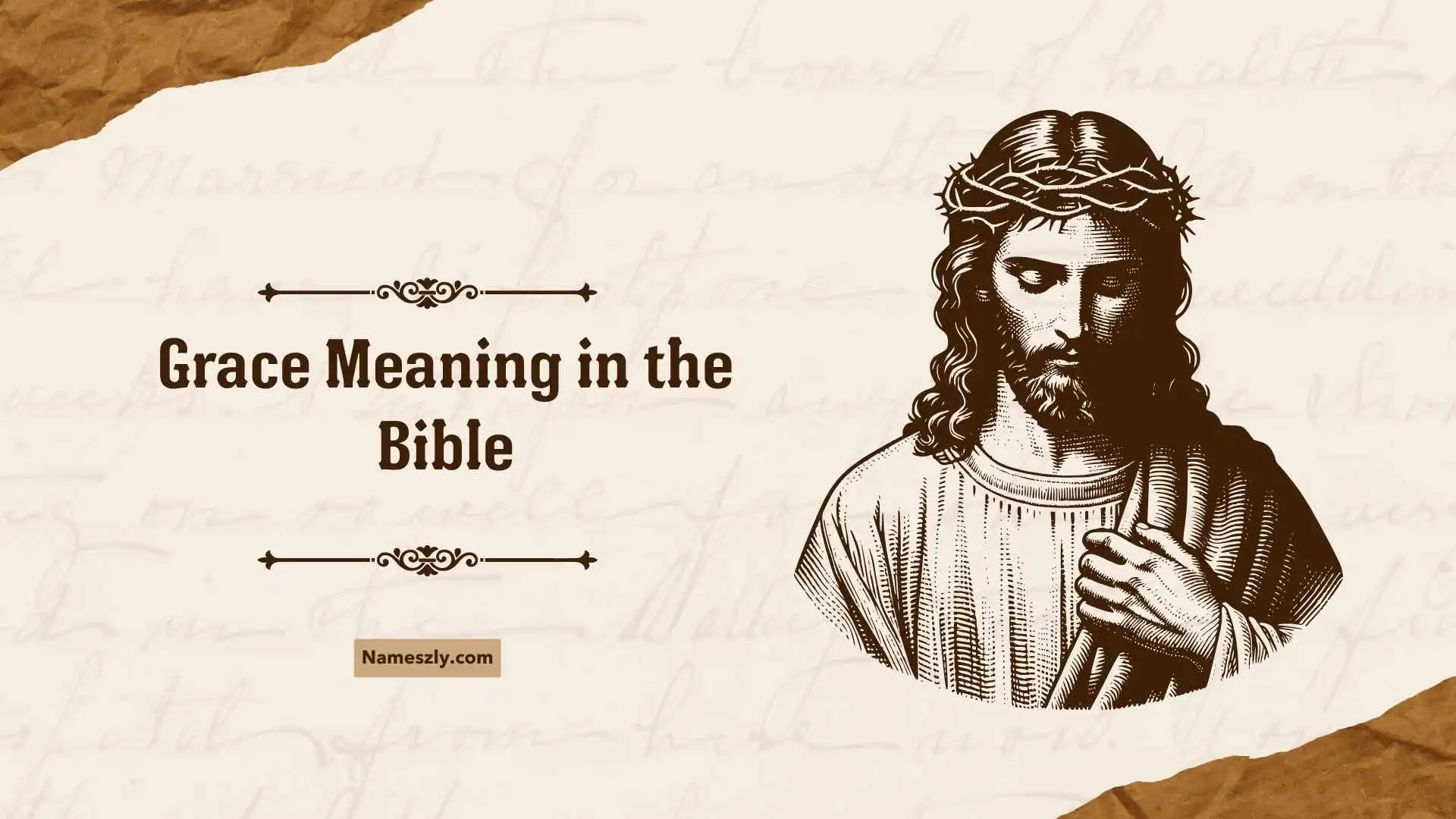
Grace Meaning in the Bible is one of the most powerful and comforting concepts found in Christian teachings.In the Bible, grace refers to the unearned and unconditional love, mercy, and favor of God toward humanity.
It is a divine gift that is given freely, not something that can be earned through actions or good deeds.This concept shows how God’s compassion and forgiveness remain available even when people fall short or make mistakes.
Understanding grace helps believers realize the depth of God’s love and His willingness to redeem and restore lives.In everyday life, it brings hope, peace, and strength during difficult and uncertain moments.Let’s explore the true Grace Meaning in the Bible and discover how it transforms faith and spiritual understanding.
Grace Meaning in the Bible

The Grace Meaning in the Bible refers to the free and undeserved favor of God given to humanity. Simply put, grace means receiving blessings, forgiveness, love, and salvation even though people do not earn or deserve them.
The Bible teaches that humans cannot save themselves through good works alone. Instead, God offers salvation as a gift through His grace.
One of the most famous Bible verses about grace says:
“For by grace you have been saved through faith.” Ephesians 2:8
This verse clearly explains that salvation comes through God’s grace and not through human effort.
Main Characteristics of Biblical Grace
Grace includes several important spiritual ideas:
- God’s unconditional love
- Mercy toward sinners
- Forgiveness of sins
- Spiritual blessings
- Salvation through Jesus Christ
- Strength during difficult times
Moreover, grace reveals God’s compassionate and forgiving nature. It reminds believers that God continues to love people despite their imperfections and mistakes.
Simple Definition of Grace
A common Christian definition says:
“Grace is God giving us what we do not deserve.”
This simple explanation captures the heart of biblical grace perfectly.
Origin and Etymology of Grace

Understanding the origin of the word “grace” helps explain its deeper biblical meaning.
Hebrew Word for Grace
In the Old Testament, the Hebrew word most commonly used for grace is “chen.”
The word “chen” means:
- Favor
- Kindness
- Mercy
- Acceptance
It often describes God showing favor toward individuals.
For example:
“Noah found grace in the eyes of the Lord.” Genesis 6:8
In this verse, God showed favor to Noah during a time when the world had become sinful and corrupt.
Greek Word for Grace
In the New Testament, the Greek word for grace is “charis.”
“Charis” means:
- Loving-kindness
- Favor freely given
- Goodwill
- Gift
The New Testament strongly connects grace with Jesus Christ and salvation.
How the Meaning Developed
Over time, the biblical concept of grace became central to Christian teaching. Early Christians understood grace as the foundation of their relationship with God. Therefore, grace became one of the most important themes in Christian theology.
Biblical Context of Grace

Grace appears throughout both the Old and New Testaments. Although many people connect grace mainly with Jesus Christ, God demonstrated grace long before the New Testament began.
Grace in the Old Testament
The Old Testament contains many examples of God’s grace.
Noah and the Flood
Noah lived in a sinful world filled with violence and corruption. However, God chose to save Noah and his family because of His grace.
This story shows that grace protects and preserves people even during judgment.
Abraham
God called Abraham to become the father of a great nation. Although Abraham made mistakes, God continued to bless and guide him.
This demonstrates that grace is based on God’s faithfulness rather than human perfection.
Moses and the Israelites
The Israelites repeatedly disobeyed God in the wilderness. Nevertheless, God continued to provide food, protection, and guidance.
This shows how grace includes patience and mercy.
King David
David committed serious sins, including adultery and murder. Yet after sincere repentance, God forgave him.
Therefore, grace also includes restoration and forgiveness.
Grace in the New Testament
The New Testament places a much stronger focus on grace through Jesus Christ.
Jesus came to:
- Forgive sins
- Offer salvation
- Reveal God’s love
- Restore humanity’s relationship with God
John 1:17 says:
“For the law was given through Moses; grace and truth came through Jesus Christ.”
This verse highlights Jesus as the full expression of God’s grace.
Importance of Grace in Christianity
The Grace Meaning in the Bible is central to Christian faith. Without grace, Christianity would not exist.
Grace Brings Salvation
Christians believe salvation is a free gift from God. People cannot earn eternal life by doing good deeds alone.
Instead, salvation comes through faith in Jesus Christ and God’s grace.
Grace Offers Forgiveness
Everyone sins and makes mistakes. However, grace provides forgiveness and a fresh start.
Because of grace:
- Sins can be forgiven
- Hearts can be renewed
- Relationships with God can be restored
Grace Gives Strength
Grace not only saves people but also strengthens them during difficult times.
2 Corinthians 12:9 says:
“My grace is sufficient for you, for My strength is made perfect in weakness.”
This means God’s grace helps believers endure struggles, pain, and challenges.
Grace Produces Humility
Grace reminds believers that they cannot boast about earning God’s love. Therefore, grace encourages humility and gratitude.
Different Types of Grace in the Bible
The Bible describes grace in different ways. Each type reveals another aspect of God’s love and care.
Saving Grace
Saving grace refers to God’s gift of salvation through Jesus Christ.
This grace rescues believers from sin and eternal separation from God.
Sustaining Grace
Sustaining grace gives believers strength during hardships.
For example, God’s grace helps people endure:
- Illness
- Loss
- Fear
- Temptation
- Stress
Common Grace
Common grace refers to blessings God gives to all people, whether they believe in Him or not.
Examples include:
- Life
- Rain
- Food
- Relationships
- Natural beauty
Sanctifying Grace
Sanctifying grace helps believers grow spiritually and become more like Christ over time.
Grace vs Mercy in the Bible
Many people confuse grace and mercy. Although they are closely related, they have different meanings.
What Is Grace?
Grace means receiving blessings we do not deserve.
Example:
- God giving salvation freely
What Is Mercy?
Mercy means not receiving punishment we deserve.
Example:
- God forgiving sins instead of judging immediately
Simple Comparison
| Grace | Mercy |
| Receiving undeserved blessings | Receiving compassion instead of punishment |
| God gives favor | God withholds judgment |
| Connected with salvation | Connected with forgiveness |
Both grace and mercy reveal God’s deep love for humanity.
Jesus Christ as the Ultimate Example of Grace
Jesus Christ is the greatest example of grace in the Bible.
Everything about His life and ministry reflected God’s mercy, compassion, and forgiveness.
Jesus Forgave Sinners
Jesus showed grace to:
- Tax collectors
- Adulterers
- Criminals
- Social outcasts
Instead of condemning people, He offered forgiveness and hope.
Jesus Healed the Broken
Jesus healed:
- The sick
- The blind
- The people with low-income
- The suffering
These miracles revealed God’s compassionate grace.
Jesus Died for Humanity
The crucifixion is the ultimate act of grace.
Although humanity sinned, Jesus willingly sacrificed Himself to offer salvation.
Romans 5:8 says:
“But God demonstrates His own love for us in this: While we were still sinners, Christ died for us.”
This verse perfectly explains God’s grace through Jesus Christ.
Powerful Bible Verses About Grace
The Bible contains many verses that explain the Grace Meaning in the Bible.
Ephesians 2:8-9
“For by grace you have been saved through faith.”
This verse explains salvation through grace alone.
Romans 3:24
“Being justified freely by His grace.”
Grace makes believers righteous before God.
Hebrews 4:16
“Let us then approach God’s throne of grace with confidence.”
Grace allows believers to come close to God without fear.
Titus 2:11
“For the grace of God has appeared that offers salvation to all people.”
God’s grace is available to everyone.
2 Corinthians 9:8
“And God is able to bless you abundantly.”
Grace provides strength and spiritual blessings.
How Grace Changes a Person’s Life
Grace is not just a religious idea. It transforms lives deeply.
Grace Removes Guilt
Many people struggle with shame and regret. However, grace brings forgiveness and peace.
Grace Brings Freedom
Believers no longer live under constant fear of condemnation.
Grace Encourages Spiritual Growth
The Grace motivates believers to become more loving, patient, and faithful.
Grace Builds Stronger Relationships
People who understand grace often become:
- More forgiving
- More compassionate
- More patient
- More understanding
Related Biblical Concepts to Grace
Several important biblical ideas connect closely with grace.
Faith
Faith allows believers to receive God’s grace.
Salvation
Salvation is one of the greatest gifts of grace.
Redemption
Grace rescues people from sin and spiritual separation.
Forgiveness
Grace makes forgiveness possible.
Love
God’s grace flows from His unconditional love for humanity.
Everyday Examples of Grace
The Grace Meaning in the Bible also applies to daily life.
Forgiving Others
When people forgive others despite hurt or disappointment, they reflect grace.
Showing Kindness
Acts of compassion and generosity demonstrate grace in action.
Helping People in Need
Grace inspires believers to care for the people with low-income, weak, and suffering.
Being Patient
Patience during conflict or stress reflects a graceful attitude.
Common Misconceptions About Grace
Many misunderstandings exist about biblical grace.
Grace Means People Can Sin Freely
Some believe grace allows unlimited sinful behavior. However, true grace leads people toward repentance and spiritual growth.
Grace Is Weakness
Grace is not weakness. In fact, showing forgiveness and mercy often requires great strength.
Grace Must Be Earned
The Bible clearly teaches that grace is a free gift from God.
Grace Is Only for Perfect People
God’s grace is available to everyone, including imperfect and broken people.
Why Understanding Grace Matters
Understanding the Grace Meaning in the Bible can completely change a person’s spiritual life.
It Builds Faith
Grace strengthens trust in God’s promises.
It Brings Peace
Believers feel peace knowing God loves them unconditionally.
It Encourages Humility
Grace reminds people that every blessing comes from God.
It Inspires Gratitude
When believers understand grace, they become more thankful and joyful.
How to Receive God’s Grace
The Bible teaches that God freely offers grace to everyone.
Believe in Jesus Christ
Faith in Jesus opens the door to salvation through grace.
Repent From Sin
Repentance means turning away from sinful behavior and seeking God sincerely.
Pray Regularly
Prayer helps believers grow closer to God and understand His grace more deeply.
Read the Bible
Studying Scripture helps people understand how grace works in everyday life.
Trust God Completely
Grace becomes more meaningful when believers depend on God rather than themselves.
Grace in Modern Christianity
The Grace remains one of the most important teachings in Christianity today.
Churches teach about grace through:
- Sermons
- Worship songs
- Bible studies
- Christian books
Moreover, many believers share testimonies about how God’s grace changed their lives completely.
Grace continues to offer:
- Hope
- Healing
- Restoration
- Spiritual strength
Even today, millions of Christians rely on God’s grace daily.
FAQs About Grace Meaning in the Bible
What is the true Grace Meaning in the Bible?
Grace in the Bible means God’s undeserved favor, mercy, forgiveness, and love given freely to humanity.
Why is grace important in Christianity?
Grace is important because salvation comes through God’s grace rather than human effort or good works.
What is the difference between grace and mercy?
Grace means receiving blessings we do not deserve, while mercy means not receiving punishment we deserve.
How does Jesus demonstrate grace?
Jesus demonstrated grace by forgiving sinners, healing the broken, and dying on the cross for humanity’s sins.
Can everyone receive God’s grace?
Yes. According to the Bible, God’s grace is available to everyone who believes in Him and seeks Him sincerely.
Conclusion
Understanding the Grace Meaning in the Bible helps believers recognize the depth of God’s love, mercy, and compassion. Grace is not something people earn through perfection or good deeds. Instead, it is a free and precious gift from God.
Throughout the Bible, grace appears as forgiveness, salvation, strength, and hope. From Noah and Abraham to Jesus Christ and the apostles, Scripture consistently shows how God transforms lives through grace.
Moreover, grace continues to impact modern Christian life by bringing peace, healing, spiritual growth, and restoration. It reminds believers that God’s love remains constant even during weakness and failure.
In the end, grace stands at the center of the Christian faith. It reveals a loving God who offers forgiveness, eternal life, and hope to all who seek Him sincerely.